
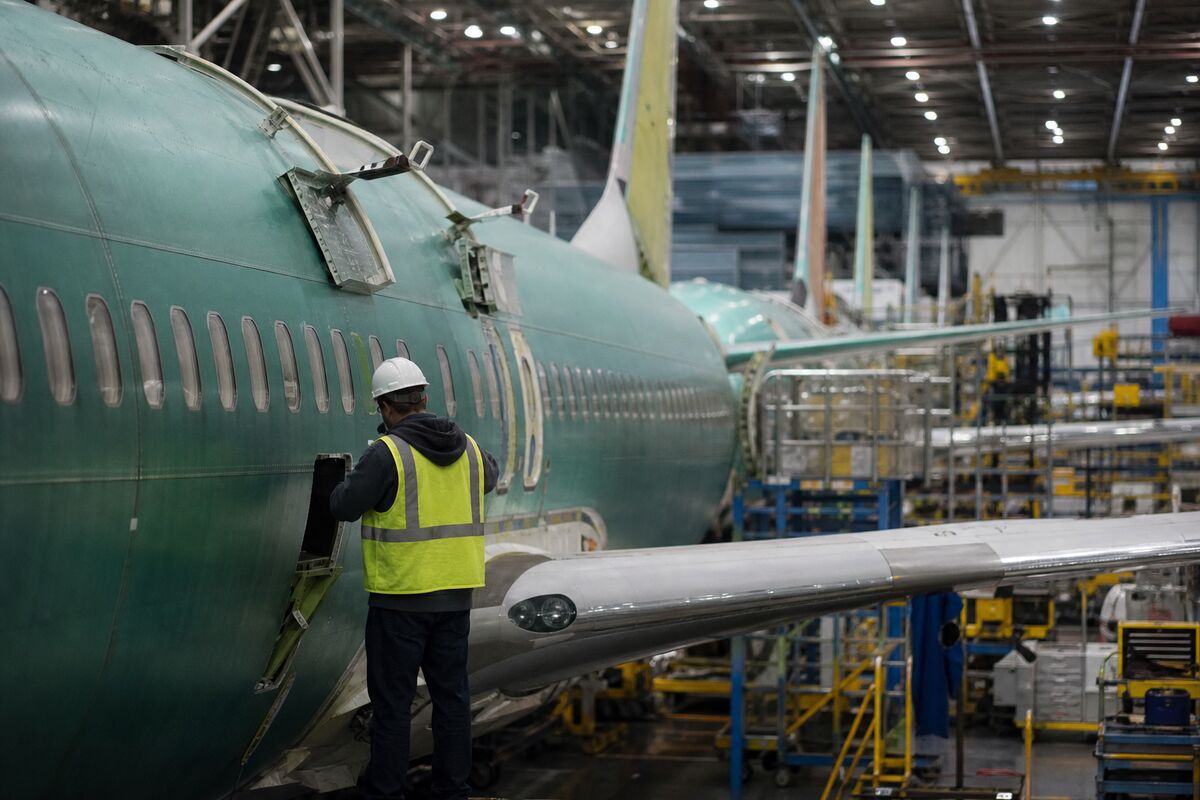
In the cutthroat landscape of aerospace manufacturing, bold moves can redefine market dynamics. Boeing's latest announcement regarding a new final assembly line for the 737 Max in Everett, Washington, is not merely a logistical adjustment; it is a strategic pivot that could significantly alter the company's trajectory. Scheduled to commence on July 6, this new line aims to ramp up production to an ambitious 52 jets per month.
The significance of this expansion cannot be understated. For Boeing, the 737 Max has been a focal point of both controversy and opportunity. Following the turbulence caused by previous operational issues, this new assembly line symbolizes a robust recovery strategy designed to restore confidence among stakeholders and investors alike. With a targeted production increase, Boeing is positioning itself to reclaim a substantial share of the market while addressing the backlogs that have plagued its operations.
Revenue growth is a critical element of this expansion. With the aerospace sector slowly recovering from the pandemic's devastating impacts, Boeing’s ability to deliver a higher volume of aircraft could translate into significant financial gains. The production ramp-up to 52 jets monthly suggests a concerted effort to meet both domestic and international demand, indicating that Boeing is not just back in the game, but is looking to play aggressively.
Moreover, the implications of this move extend beyond Boeing’s immediate financial health. The new assembly line will likely have a cascading effect throughout the supply chain. Increased production rates necessitate a robust and responsive supply chain to ensure that components are delivered on time, a challenge that Boeing has faced in the past. As the company scales up its operations, it must also navigate the complexities of supplier relationships and logistics to ensure seamless integration.
Historically, production ramp-ups in the aerospace sector have often led to increased market share for manufacturers who can successfully navigate the challenges of scale. If Boeing can execute this strategy effectively, it could not only rejuvenate its brand after past setbacks but also enhance its competitive position against rivals like Airbus.
As the aerospace market continues to evolve, the ability to adapt and innovate will be paramount. Boeing’s investment in this new assembly line is a testament to its commitment to reclaiming its status as a leader in commercial aviation. As the July 6 launch approaches, all eyes will be on Boeing to see if it can execute this ambitious production plan and deliver the expected results.
For further details, you can read more on this development here.