
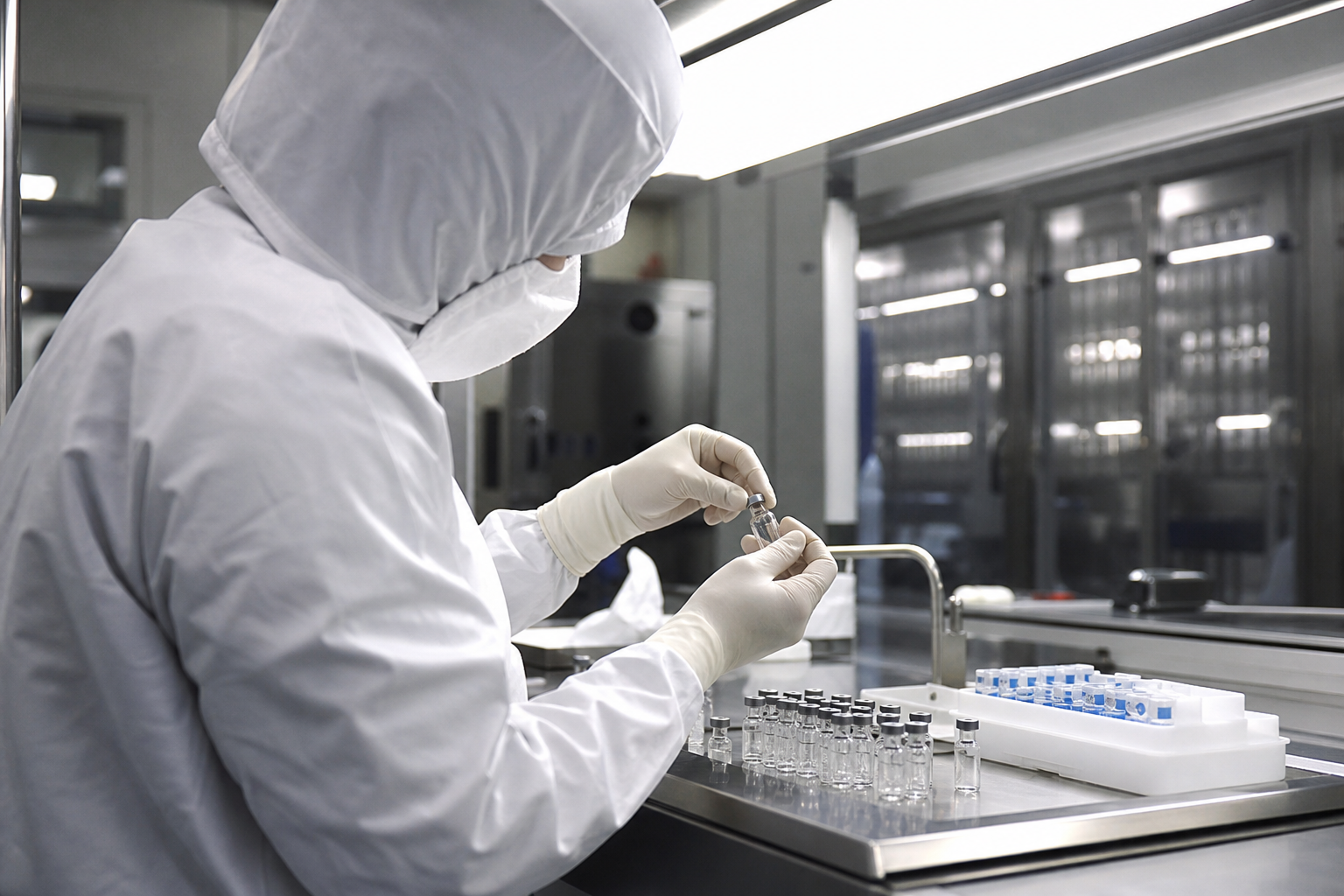
In an audacious move that could redefine the landscape of the radiopharmaceutical market, Curium has announced its definitive agreement to merge with Lantheus Holdings (NASDAQ: LNTH) in a deal valued at $8 billion. This merger is not just a strategic alliance; it is a bold statement of intent, suggesting that the future of healthcare, especially in oncology, neurology, and cardiology, is set to undergo significant transformation.
Lantheus shareholders stand to gain substantially from this merger, with a cash offer of up to $114.50 per share on the table. This offer not only reflects a premium on Lantheus’ current stock price but also indicates Curium’s confidence in the synergies that this merger could create. The implications of this deal extend beyond shareholder gains; they could usher in a new era of innovation in radiopharmaceuticals.
The Merger Dynamics
The $8 billion merger between Curium and Lantheus is a strategic consolidation aimed at enhancing their competitive edge. By combining forces, these two entities aim to capitalize on the burgeoning demand for radiopharmaceuticals, particularly in targeted therapies and diagnostics. Both companies have established a strong foothold in the industry, with Lantheus being a leader in developing innovative imaging agents, while Curium has a robust pipeline of radiopharmaceuticals.
The cash offer of up to $114.50 per share represents a significant incentive for Lantheus shareholders, effectively signaling Curium's commitment to enhancing shareholder value. With this merger, the potential for increased market share and expanded product offerings becomes apparent, suggesting a strategic alignment that could reshape the competitive landscape.
Market Implications
The merger's implications for the radiopharmaceutical market cannot be overstated. As the healthcare industry increasingly pivots towards precision medicine, the demand for radiopharmaceuticals is expected to surge. This merger positions Curium and Lantheus to be at the forefront of this trend, particularly in oncology, where radiopharmaceuticals are gaining traction as effective treatment modalities.
Furthermore, the consolidation could lead to heightened competition dynamics within the industry, prompting peer companies on Nasdaq and NYSE to reassess their strategies. The merged entity could potentially dominate key segments of the market, driving innovation and investment in radiopharmaceuticals.
Competitive Landscape
As the dust settles from this monumental merger, the competitive landscape will likely shift. Peer companies in the pharmaceutical sector may need to evaluate their market positions and consider strategic partnerships or acquisitions to remain relevant. The merger highlights a trend towards consolidation in the industry, a strategy that could lead to enhanced efficiencies and improved product offerings.
Jim Cramer flagged this merger in his top 10 things to watch in the stock market, suggesting that it could have far-reaching implications for investors and the broader market. As analysts and investors alike digest the news, the focus will likely be on how this merger affects not only the two companies involved but also the entire radiopharmaceutical ecosystem.
Conclusion
The Curium and Lantheus merger is poised to be a game-changer in the radiopharmaceutical space. With a lucrative offer for Lantheus shareholders and significant implications for market dynamics, this deal reflects a strategic vision for the future of targeted therapies. As we move forward, the market will be keenly observing how this merger unfolds and what it means for the future of healthcare innovation.
For further details on the merger, you can read the announcement here.