
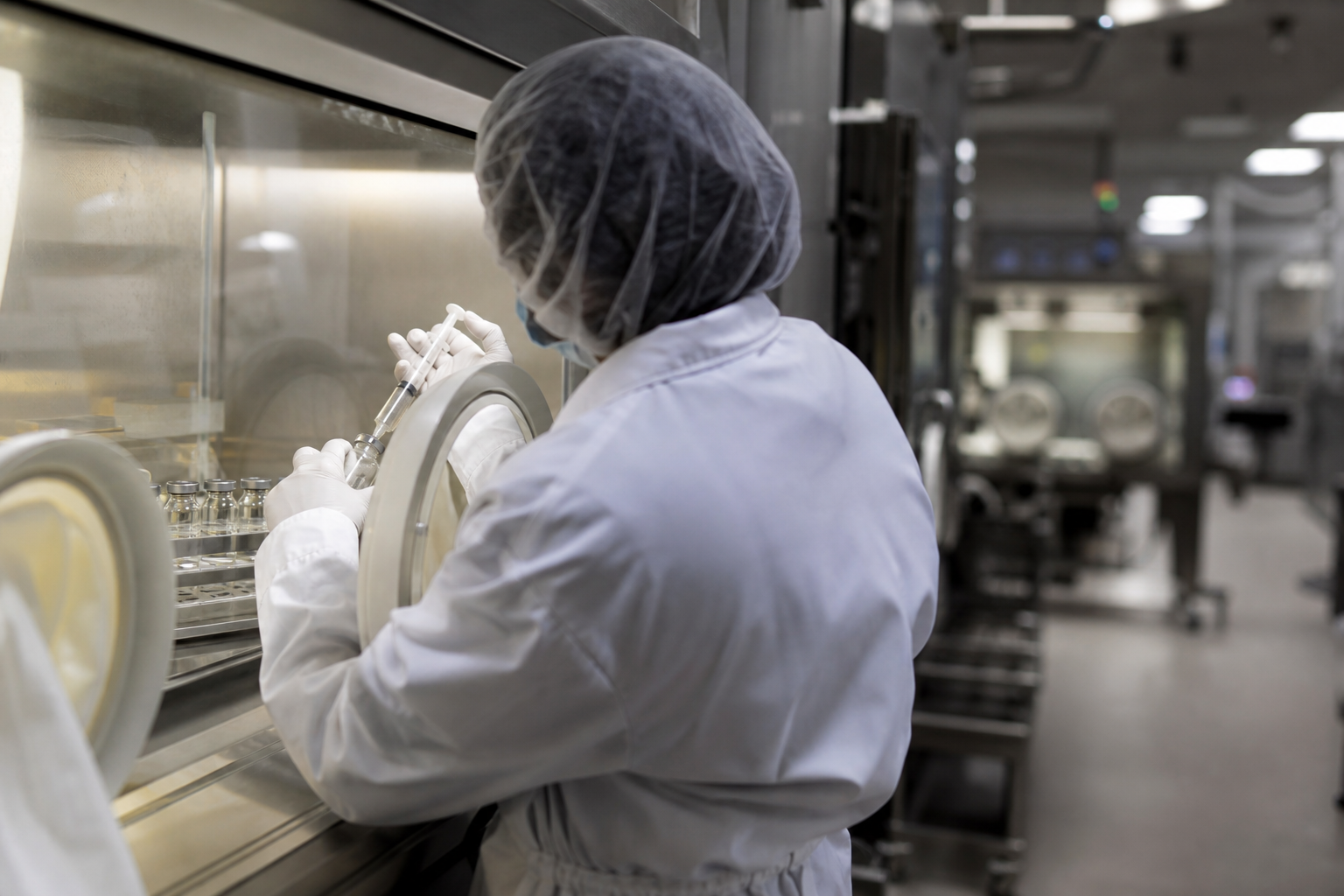
Curium's definitive agreement to acquire Lantheus for $8 billion, translating to a cash offer of $114.50 per share, marks a pivotal moment in the pharmaceutical sector. This deal not only underscores the growing importance of radiopharmaceuticals but also positions Curium as a formidable player in a burgeoning market. With this acquisition, Curium aims to expand its reach across oncology, neurology, and cardiology, potentially reshaping the treatment landscape across over 70 countries.
For investors, the implications of this merger are significant. Lantheus has established itself as a leader in the radiopharmaceutical space, and aligning with Curium could enhance its capabilities and market penetration. The deal signals a strategic move to consolidate resources and expertise, which could lead to accelerated growth in high-demand therapeutic areas. As the global healthcare landscape evolves, particularly in oncology where targeted therapies are increasingly prioritized, this merger could provide both companies with a competitive edge.
The Radiopharmaceutical Market: A Growing Opportunity
The radiopharmaceutical market has been witnessing robust growth, driven by advancements in molecular imaging and targeted therapies. By acquiring Lantheus, Curium aims to tap into this growth potential, particularly in oncology, where the demand for innovative treatments is surging. This merger could foster the development of new radiopharmaceuticals that cater to the specific needs of oncologists and their patients.
Impact on Lantheus Shareholders
For current Lantheus ($LNTH) shareholders, this acquisition presents an intriguing opportunity. The cash offer of $114.50 per share not only provides immediate liquidity but also reflects a premium on Lantheus’s current market valuation. This deal could be viewed as a validation of Lantheus's business model and growth prospects. However, investors must also consider the strategic fit between the two companies and how effectively they can integrate their operations post-merger.
Market Position and Future Prospects
As the merger unfolds, it will be crucial to monitor how Curium plans to leverage Lantheus's existing portfolio and pipeline. The potential for synergies in research and development could lead to accelerated product launches, particularly in underserved indications. Moreover, the combined entity could enhance its bargaining power with suppliers and distributors, ultimately benefiting both companies' bottom lines.
However, challenges remain. The integration process can often be fraught with difficulties, and the success of this acquisition will largely depend on how well Curium manages this transition. Investors should remain vigilant about any disruptions that could arise during this period. Furthermore, the regulatory landscape for pharmaceutical mergers can be complex, and any delays in approvals could impact the timeline for realizing the synergies expected from this deal.
In conclusion, Curium's acquisition of Lantheus represents a bold step towards creating a global leader in the radiopharmaceutical market. For investors, this merger could signal a new era of growth opportunities, especially in the fields of oncology, neurology, and cardiology. However, as with any major transaction, the execution of the integration and the ability to capitalize on the strategic advantages will be paramount.
For more details on this significant merger, you can read the full announcement here.