
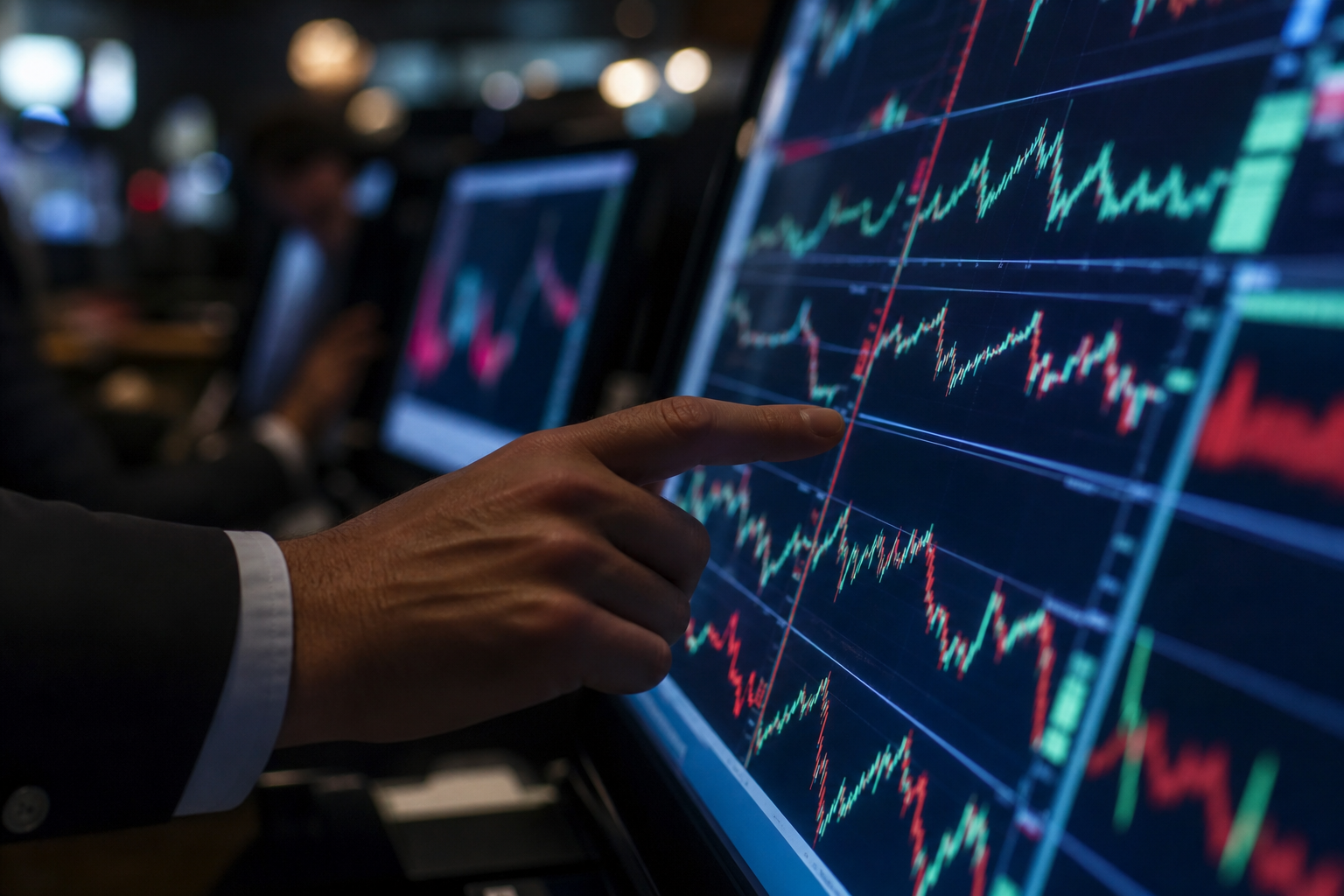
The financial landscape is bracing for a significant shift as the 10-year US Treasury yield hovers above 5%, signaling potential volatility across various sectors. With the Federal Reserve's interest rate decision looming, investors are recalibrating their strategies, especially in the wake of rising yields that could reshape market dynamics.
Current market sentiment is heavily influenced by the Federal Reserve's anticipated rate hike. Analysts suggest that this decision may lead to further fluctuations in Treasury yields, which have already been on an upward trajectory. Higher yields typically imply increased borrowing costs, impacting sectors like pharmaceuticals and biotech, which are sensitive to interest rate changes.
Current Status of the 10-Year Treasury Yield
The 10-year US Treasury yield has surpassed the 5% mark, a significant psychological level that could have far-reaching implications for the financial markets. This yield level reflects investor expectations regarding inflation and economic growth, indicating a more cautious outlook. Historical data shows that yields above 5% can lead to sell-offs in equities as investors seek safer fixed-income options.
Expectations Surrounding the Federal Reserve's Decision
Market participants are keenly focused on the Federal Reserve's upcoming interest rate decision. The consensus leans towards a rate hike, which would mark a continuation of the Fed's tightening cycle. Such a move could further elevate Treasury yields, creating a challenging environment for growth-oriented sectors. In the past, similar decisions have led to increased market volatility, and traders are preparing for potential shifts in sentiment.
Sector Impact: Pharmaceuticals and Biotech
Higher interest rates tend to have a disproportionate effect on sectors reliant on future cash flows, such as pharmaceuticals and biotech. These industries often depend on significant upfront investments in research and development, with returns realized over extended periods. As borrowing costs rise, the viability of funding for new projects may come into question, potentially stifling innovation and growth.
Implications for S&P 500, Nasdaq, and TSX
As the Fed's decision approaches, indices such as the S&P 500, Nasdaq, and TSX are likely to experience increased volatility. Historical trends indicate that rising Treasury yields often correlate with declines in these indices, as higher financing costs weigh on corporate earnings. Investors may want to keep a close watch on sectors that traditionally outperform in higher rate environments, such as financials, while remaining cautious with high-growth equities.
In conclusion, the current status of the 10-year Treasury yield above 5% serves as a crucial indicator for market participants. With the Federal Reserve's interest rate decision imminent, the potential for increased volatility across the S&P 500, Nasdaq, and TSX is significant. Traders should prepare for a landscape that may shift dramatically in response to these economic signals. For further details on this analysis, see the full report on CNBC.
Bull/Bear Verdict
Bull Case: If the Fed maintains a cautious approach, it may stabilize market sentiment, allowing growth sectors to rebound.
Bear Case: A pronounced rate hike could exacerbate market volatility, particularly hitting pharmaceuticals and biotech sectors hard.