
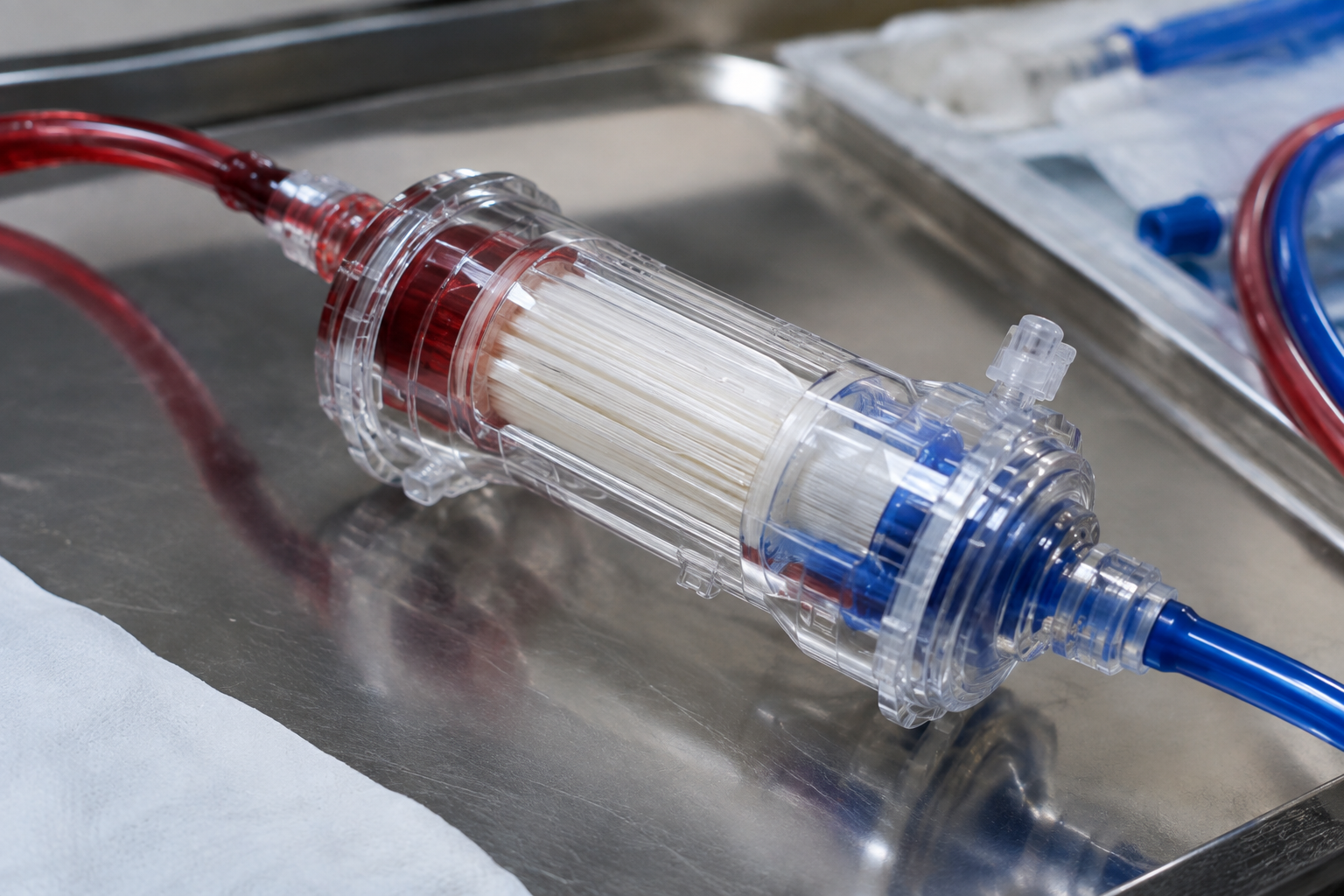
In the world of small-cap medical devices, regulatory recognition can function like a spotlight: it does not guarantee the finale, but it can make the company much harder for investors to ignore. SeaStar Medical Holding Corporation’s Nasdaq-listed shares, traded under $ICU, are now standing in that beam after the FDA granted Breakthrough Device Designation to its Selective Cytopheretic Device for intended use in sepsis therapy.
The announcement gives SeaStar Medical a meaningful regulatory marker without delivering the one conclusion investors should not draw: that FDA approval is assured. Breakthrough Device status may help shape the device’s development and review path, but the designation is an important step—not a clinical, regulatory or commercial finish line.
SeaStar Medical announced the designation on October 7, 2026, tying the FDA action specifically to the Selective Cytopheretic Device’s intended use in sepsis therapy. The company’s announcement was reported here, providing the immediate regulatory context for investors assessing the news.
What the designation signals
At a high level, FDA Breakthrough Device status can support more frequent interaction between a device developer and the agency. It may also help facilitate an accelerated development or review pathway, depending on the product and the regulatory process that follows. That can matter for a company developing a specialized device in a difficult therapeutic area, where clarity around agency expectations may be particularly valuable.
Still, the designation should be read as a signal of regulatory engagement rather than a verdict on the device. It does not equal FDA approval, establish clinical success or guarantee that the Selective Cytopheretic Device will reach the market. Nor does it resolve the commercial questions that eventually confront any medical-device developer.
Why investors may watch $ICU more closely
For investors tracking small-cap Nasdaq medical-device companies, the announcement may become a notable catalyst because it changes the regulatory conversation around SeaStar Medical. A formal FDA designation can draw greater attention to the company’s development program and create a new point of reference for evaluating its progress.
That attention, however, comes with a need for discipline. The available announcement does not provide stock-price data, market-cap figures, clinical outcomes or regulatory deadlines. Those absences matter. Without them, investors cannot use this designation alone to measure valuation, estimate timing or judge the device’s eventual performance.
The more grounded takeaway is narrower—and arguably more useful. SeaStar Medical has received FDA Breakthrough Device Designation for a device intended for sepsis therapy, potentially opening the door to closer agency interaction and a more streamlined development or review process. Whether that regulatory momentum translates into approval or commercial traction remains unresolved.
Bull/Bear Verdict
Bull Case: The FDA’s Breakthrough Device Designation for SeaStar Medical’s Selective Cytopheretic Device may increase investor attention and support more frequent agency interaction as the company advances its sepsis-therapy program.
Bear Case: The designation is not FDA approval and does not guarantee clinical, regulatory or commercial success, leaving the device’s ultimate outcome uncertain.