
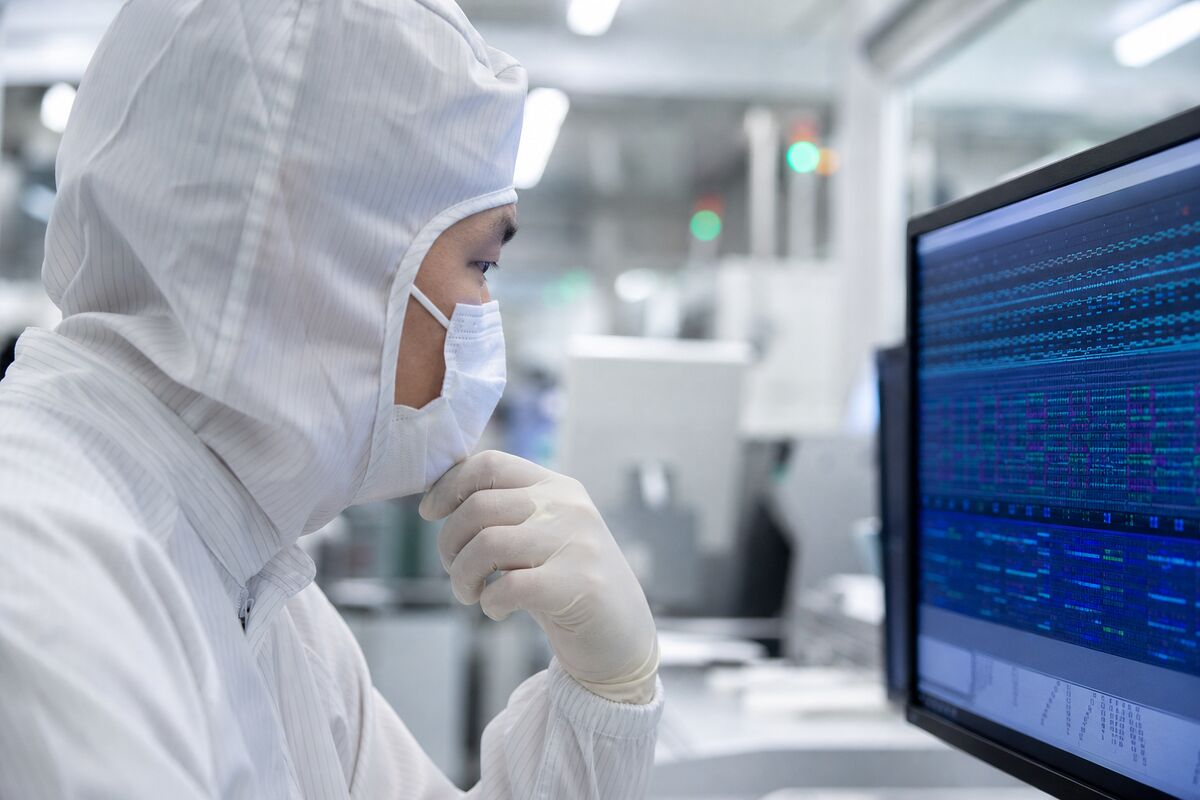
Tempus AI's recent acquisition of Personalis, Inc. marks a pivotal moment in the evolution of precision oncology. This strategic move is not merely about expanding a portfolio; it signifies a calculated step towards revolutionizing AI-driven oncology diagnostics. With the integration of molecular residual disease (MRD) testing into Tempus's existing platform, investors should pay close attention to the implications of this transformative deal.
The acquisition is set against the backdrop of an increasingly competitive biotech landscape, where the race to harness artificial intelligence for personalized medicine is intensifying. Tempus, a frontrunner in the field, aims to enhance its capabilities in MRD testing, which is crucial for monitoring minimal residual disease in cancer patients. This capability could enable more accurate assessments of treatment efficacy and relapse risk, thereby positioning Tempus as a leader in oncology diagnostics.
Why This Acquisition Matters
For investors, the acquisition of Personalis by Tempus AI could reshape expectations regarding the future of cancer diagnostics. By integrating advanced MRD testing into its AI-enabled platform, Tempus is not just enhancing its technological arsenal; it is also setting a new standard for precision oncology. The ability to provide comprehensive insights into a patient's cancer state is invaluable and may lead to better treatment outcomes.
Moreover, this move could catalyze further consolidation in the biotech sector. As companies look to compete in a rapidly evolving market, strategic acquisitions like this one could become more frequent. Investors should consider the potential for increased valuations among companies that successfully integrate innovative technologies into their offerings.
The Competitive Landscape
The landscape of precision oncology is evolving, and Tempus's acquisition of Personalis positions it favorably against its competitors. With the integration of MRD capabilities, Tempus is poised to offer a more robust suite of diagnostic tools that could attract attention from healthcare providers and payers alike. This enhancement may lead to increased market share and revenue growth, making Tempus a compelling option for investors seeking exposure to the biotech sector.
Furthermore, as the demand for personalized medicine grows, companies that can leverage AI to streamline diagnostics and treatment options will likely gain a competitive edge. Tempus’s strategic acquisition reflects an understanding of this trend and positions the company to capitalize on it effectively.
Investor Implications
For those invested in the biotech sector, the acquisition of Personalis by Tempus AI could signify a shift in market dynamics. The ability to provide integrated MRD testing may enhance the attractiveness of Tempus's offerings, potentially leading to increased adoption and revenue generation. However, investors should remain cautious; the success of this acquisition hinges on effective integration and the continued advancement of AI technologies in oncology.
In conclusion, Tempus AI's acquisition of Personalis is more than a mere business transaction. It represents a strategic initiative aimed at redefining the capabilities of precision oncology diagnostics. As the biotech sector continues to evolve, this move could serve as a bellwether for future acquisitions and innovations within the industry. Investors should closely monitor developments as the landscape shifts.
For further details, you can read more about the acquisition here.