
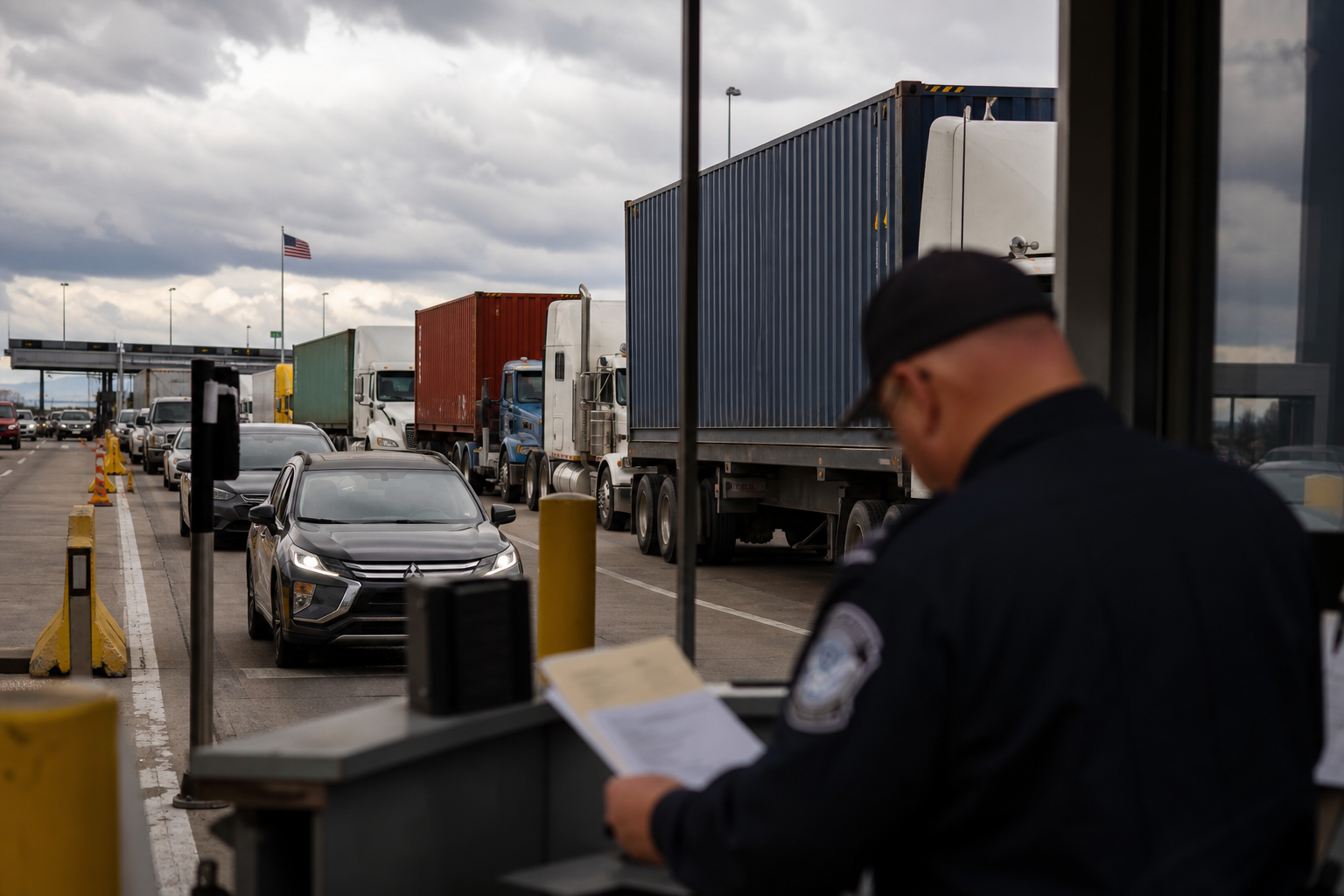
The recent collapse of U.S.-Canada trade talks has ushered in a wave of uncertainty, particularly with the implementation of new 50% tariffs on a range of Canadian exports. This significant development is poised to reshape market dynamics, affecting various sectors and raising questions about the resilience of North American supply chains.
On August 22, 2026, CNBC reported that the failure to reach an agreement has led to increased trade barriers, which could have far-reaching implications for both economies. The immediate effects of these tariffs are expected to ripple through key sectors such as agriculture, manufacturing, and energy, which heavily rely on cross-border trade.
Immediate Effects of Tariffs on Canadian Exports
The imposition of 50% tariffs on Canadian goods is likely to have an immediate and profound impact on various sectors:
- Agriculture: Canadian agricultural exports, particularly in the dairy and poultry sectors, may see a sharp decline in demand.
- Manufacturing: Companies reliant on U.S. markets for their manufactured goods could face higher costs and decreased competitiveness.
- Energy: The energy sector, which often sees cross-border transactions, may experience disruptions in supply and pricing volatility.
Pressure on North American Supply Chains
As these tariffs come into effect, analysts are increasingly concerned about the added pressure placed on North American supply chains. The interconnected nature of U.S. and Canadian industries means that disruptions in one country can lead to cascading effects in the other. Analysts suggest that companies may need to reassess their sourcing and logistics strategies to mitigate the impact of these tariffs.
Furthermore, the collapse of trade negotiations intensifies uncertainties in market outlooks. Investors may need to brace for potential volatility as companies adjust to the new trade landscape. The lack of clarity around future trade relations could lead to cautious spending and investment decisions across both countries.
Ray Dalio's Debt Crisis Warning
Adding to the complexities of the current economic landscape, investor Ray Dalio recently issued warnings about the escalating U.S. debt crisis. His comments, made in a CNBC report on August 21, indicate that the rising debt levels could pose significant risks to financial stability in both the U.S. and Canada. Dalio's analysis suggests that increasing debt could lead to tighter monetary conditions and affect market confidence.
In this context, Dalio's insights may resonate with investors who are reevaluating their positions amid increasing economic uncertainty. The combination of trade tensions and debt concerns could result in a climate of heightened risk aversion, prompting investors to seek safer assets or reconsider their exposure to more volatile sectors.
Market Outlook
Given the current situation, market participants should remain vigilant. The interplay between newly imposed tariffs and rising debt concerns will likely create a complex environment for investors. Analysts will be closely monitoring economic indicators and corporate earnings reports to gauge the broader impacts.
In summary, the collapse of U.S.-Canada trade talks and the introduction of new tariffs signal a pivotal moment for market dynamics. Investors may need to navigate through a landscape fraught with challenges, necessitating a careful assessment of their strategies moving forward. For more detailed insights, you can read the full report on CNBC.